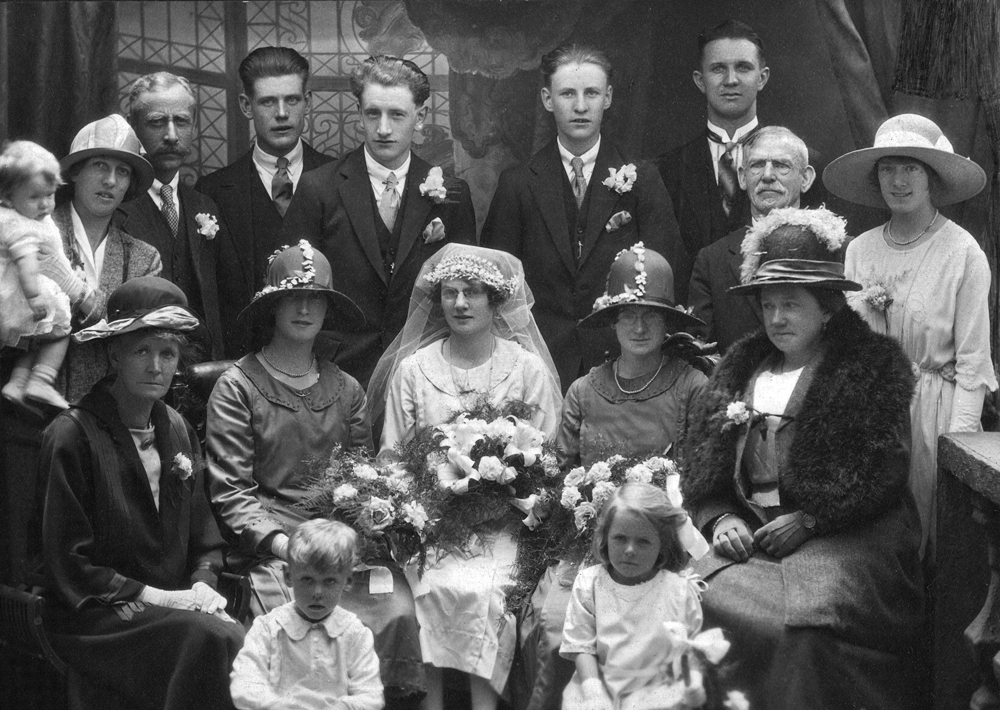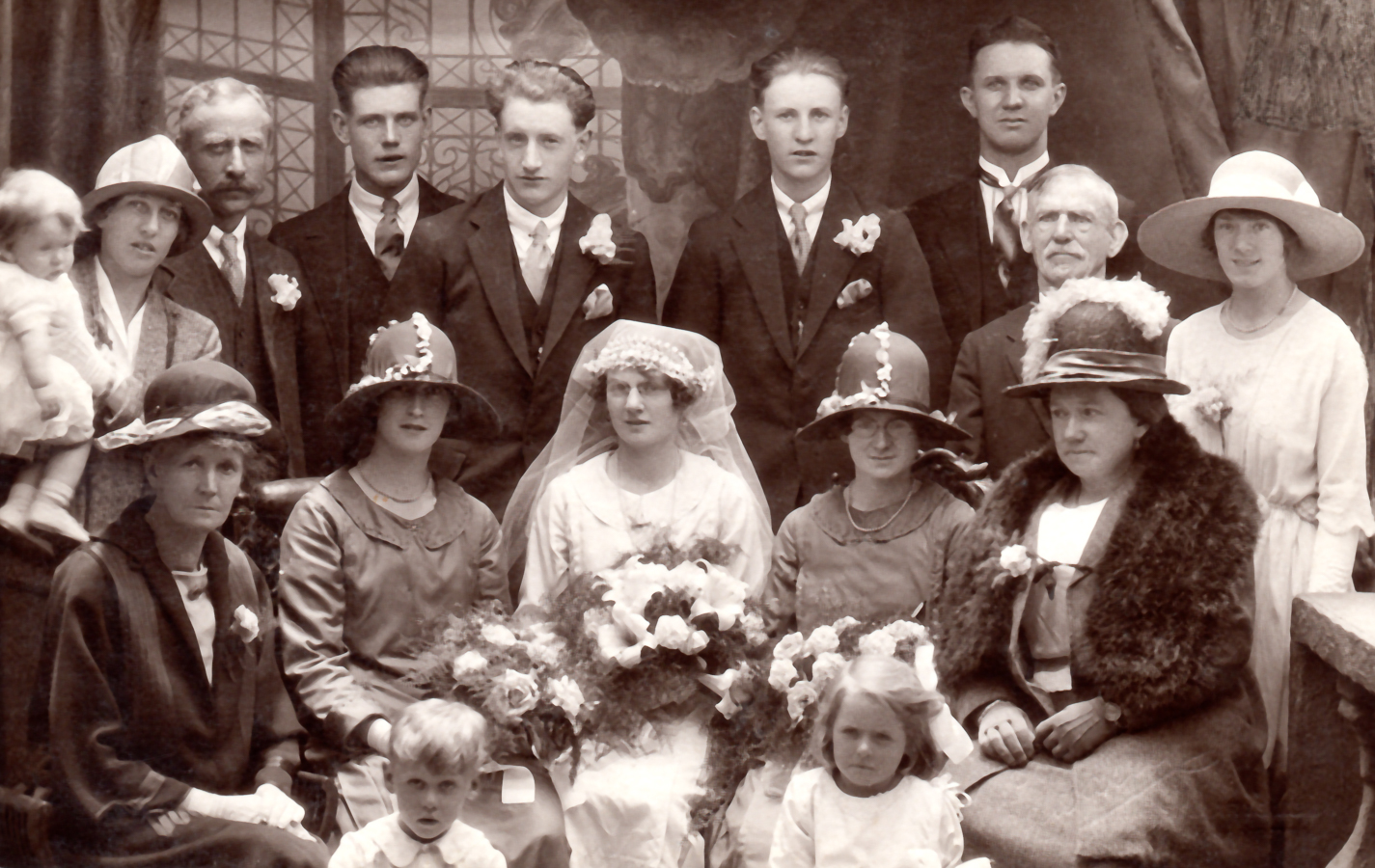
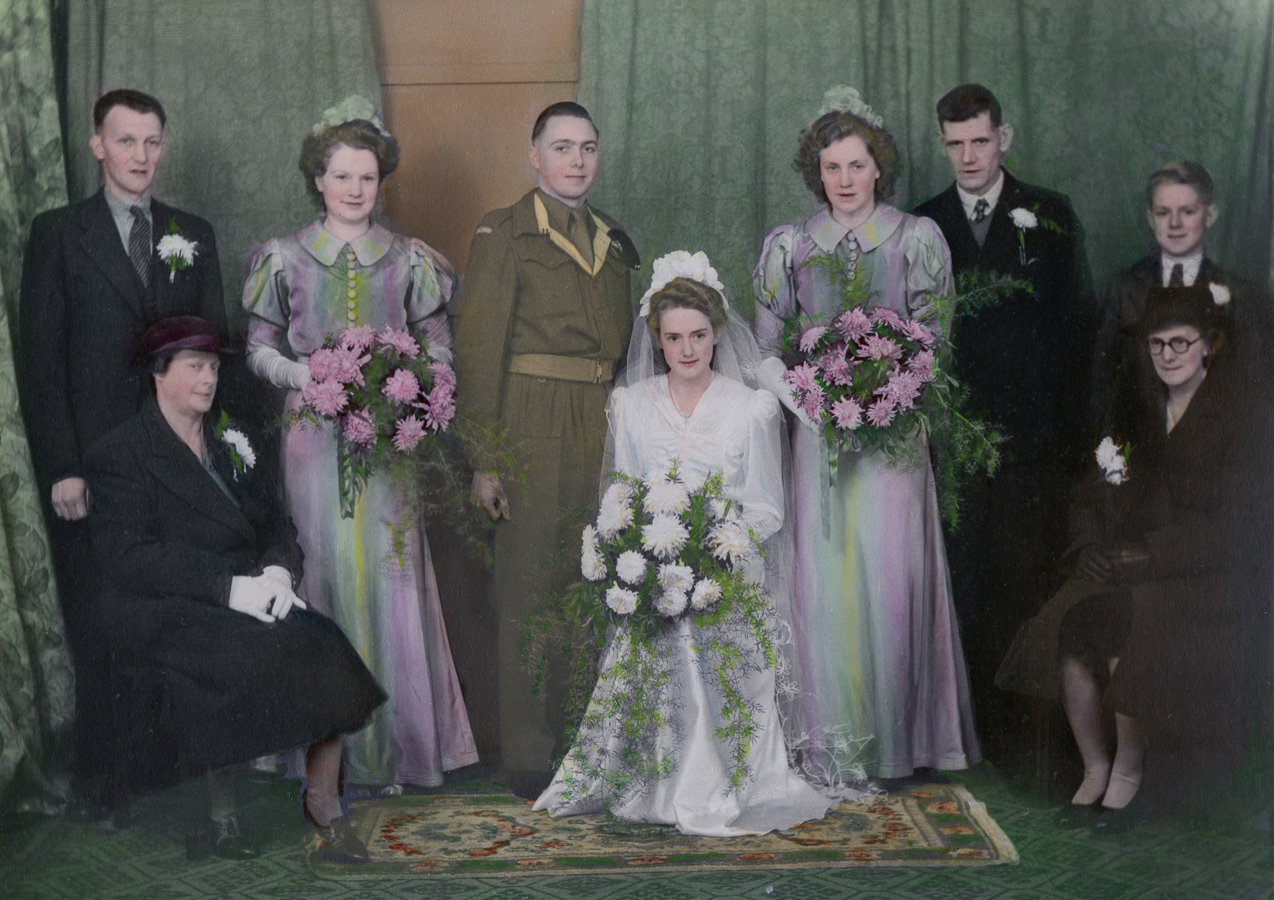




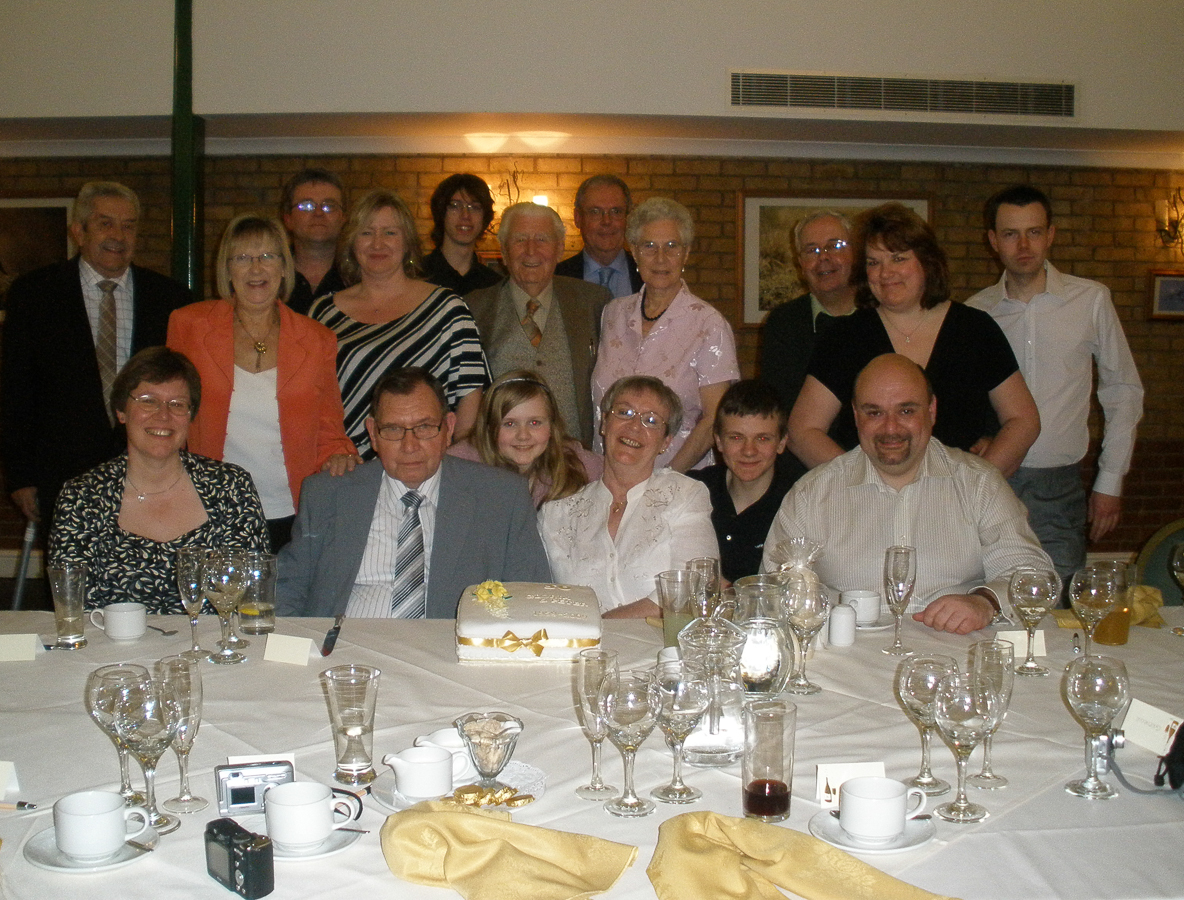
Auntie_Let_and_Uncle_Percys_wedding_1M.jpg
Weddings

Wedding of Let and Percy

previous arrow
next arrow
Featured

Angevin empire


Angevin empire and the Count of Anjou and Duchy of Aquitaine

Pepin or Pippin the Short First King of the Franks of the Carolingian dynasty. First King of the Franks. That is something.

He was also, according to my family tree on Ancestry, my 15th great-grandfather of wife of husband of 3rd cousin 25x removed. Born 715 in Austrasia, France and died 18 September 768 at St Denis, Paris, Ile-de-France, France. 

 Pepin the Short, also called the Younger (German: Pippin der Jüngere, French: Pépin le Bref, c. 714 – 24 September 768) was King of the Franks from 751 until his death in 768.

Pepin the Short grandfather was Pepin II De Heristal, Mayor Of The Palace. He was born in 635 in Liège, Liege, Belgium. 
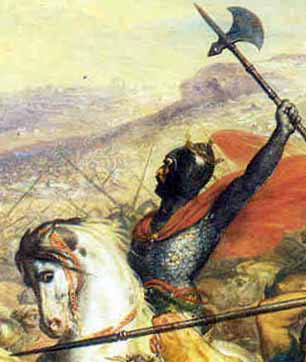
Charles The Hammer MartelPepin the Short's father, was Charles Martel.

Charles Martel (c. 688 – 22 October 741) was a Frankish statesman and military leader who, as Duke and Prince of the Franks and Mayor of the Palace, was the de facto ruler of Francia from 718 until his death. He was a son of the Frankish statesman Pepin of Herstal and Pepin's mistress, a noblewoman named Alpaida. Charles, also known as "The Hammer" (in Old French, Martel), successfully asserted his claims to power as successor to his father as the power behind the throne in Frankish politics. Continuing and building on his father's work, he restored centralized government in Francia and began the series of military campaigns that re-established the Franks as the undisputed masters of all Gaul.


The Angevin Empire

The Angevin Empire (French: Empire Plantagenêt) describes the possessions of the Angevin kings of England who held lands in England and France during the 12th and 13th centuries. Its rulers were Henry II (ruled 1154–1189), Richard I (r. 1189–1199), and John (r. 1199–1216). The Angevin Empire is an early example of a composite state.

The Angevins of the House of Plantagenet ruled over an area covering roughly half of France, all of England, and parts of Ireland and Wales, and had further influence over much of the remaining British Isles. The empire was established by Henry II, as King of England, Duke of Normandy, Count of Anjou (from which the Angevins derive their name), as well as Duke of Aquitaine by right of his wife, and multiple subsidiary titles. Although their title of highest rank came from the Kingdom of England, the Angevins held court primarily on the continent at Angers in Anjou, and Chinon in Touraine.

At its largest extent, the Angevin Empire consisted of the Kingdom of England, the Lordship of Ireland, the duchies of Normandy (which included the Channel Islands), Gascony and Aquitaine as well as of the counties of Anjou, Poitou, Maine, Touraine, Saintonge, La Marche, Périgord, Limousin, Nantes and Quercy. While the duchies and counties were held with various levels of vassalage to the king of France, the Plantagenets held various levels of control over the Duchies of Brittany and Cornwall, the Welsh princedoms, the county of Toulouse, and the Kingdom of Scotland, although those regions were not formal parts of the empire. Auvergne was also in the empire for part of the reigns of Henry II and Richard, in their capacity as dukes of Aquitaine. Henry II and Richard I pushed further claims over the County of Berry but these were not completely fulfilled and the county was lost completely by the time of the accession of John in 1199.

You can see that I have started a lot further back in time to start this article. 


Related Articles

Martha Nash - 3rd great-grandaunt

John Bowditch


Flag Counter


Login Form

Search

News


Tithe Apportionment Updates


Dec 2025 Jan 2026

Not updates on the Tithes, but on what I do with them and the process I use.

I have recently completed the Nursling Tithe Apportionment spreadsheet and used the data to create an ESRI Story Map as part of the Nursling One Place Study.

The spreadsheet used to record the data needed reworking as the Agreement had Leese and Lessor in addition to Landowner and Occupier.

All the previous Tithe Apportionment spreadsheets were built on the previous, apart from the first one obviously, Similar but different.

I though I had enough examples to make it worth creating a Template from the Nursling Tithe Apportionment spreadsheet.

Which I have done.

I am now reworking all the previous Tithe Apportionment parish spreadsheets to fit the template. Hopefully, I wont have to change the structure of the template to accommodate the earlier data. If I do have to, I will have to repeat the cycle of reworking until, it all fits harmoniously.


The idea is still to keep the spreadsheets as separate entities, and datasets, but to use Excel Power Query and Data Manager, to absorb all of the data into a single dataset from which all information can be compared and filtered, all within the same system and schema.


One Drive has been reconfigured accordingly, together with the concept as pulling together Census data and Parish Register data, such as baptisms. The later two are in early stages of development so there will be more about that here later.


The first Tithe Apportionment spreadsheet being remastered is Millbrook. It is not a short process.


Update from Joomla 3.10 to Joomla 4

This is the equivalent to major heart surgery.

There have been a lot of behind the scene changes, some of which have impacted what you can see and how you see it.

I have been chasing down those changes since the upgrade.

Please feel free to contact me if you find one of the remaining glitches.